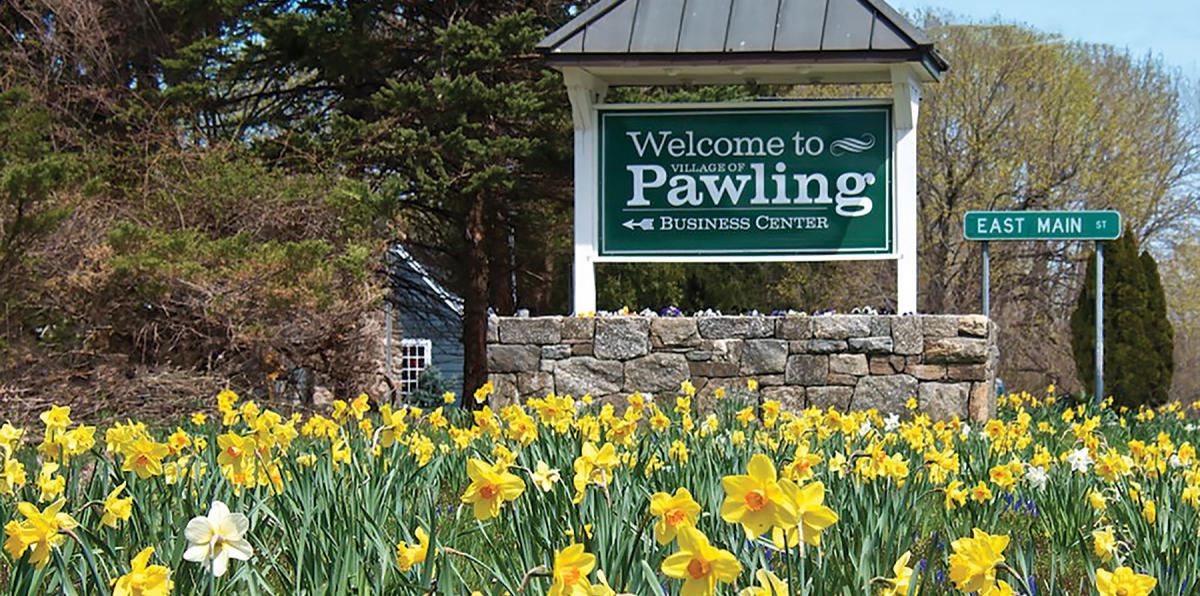
Welcome to
Pawling
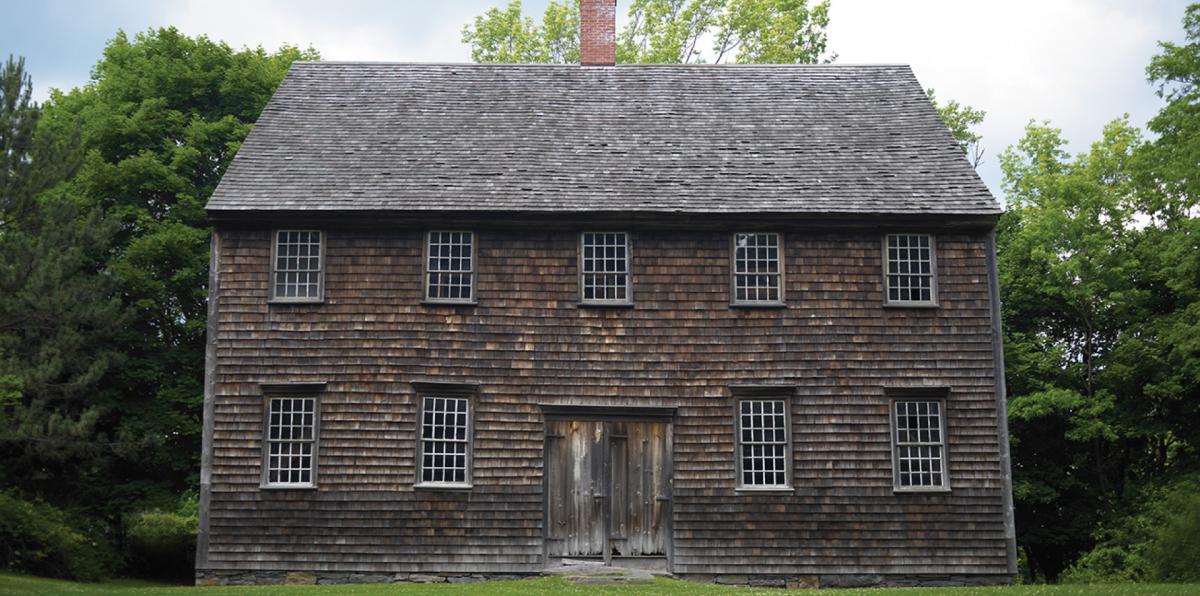
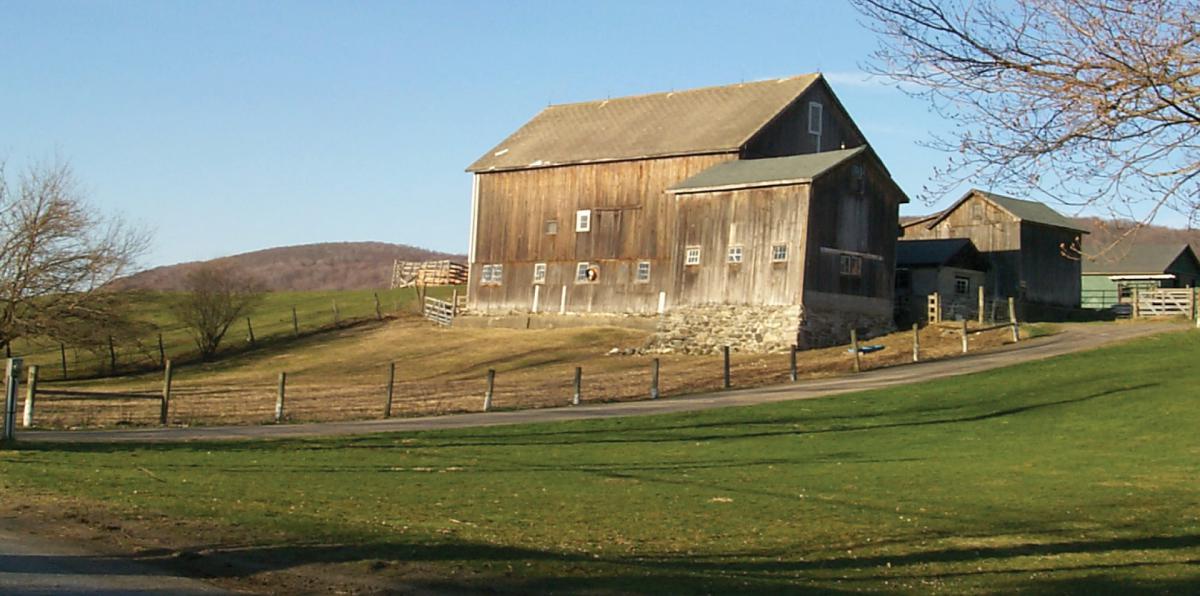
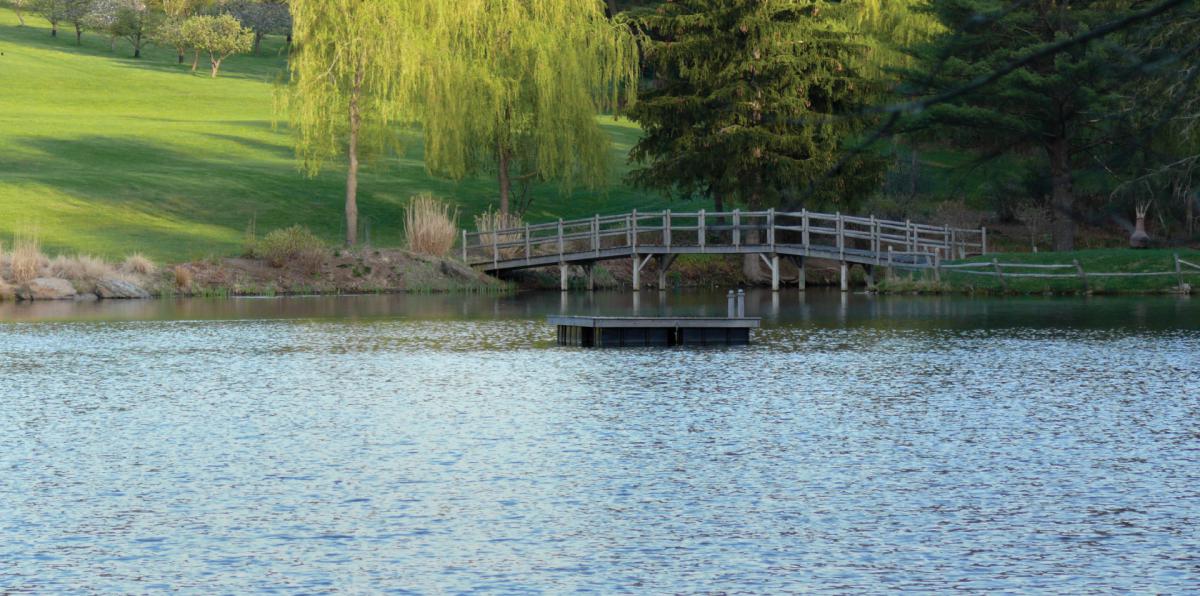
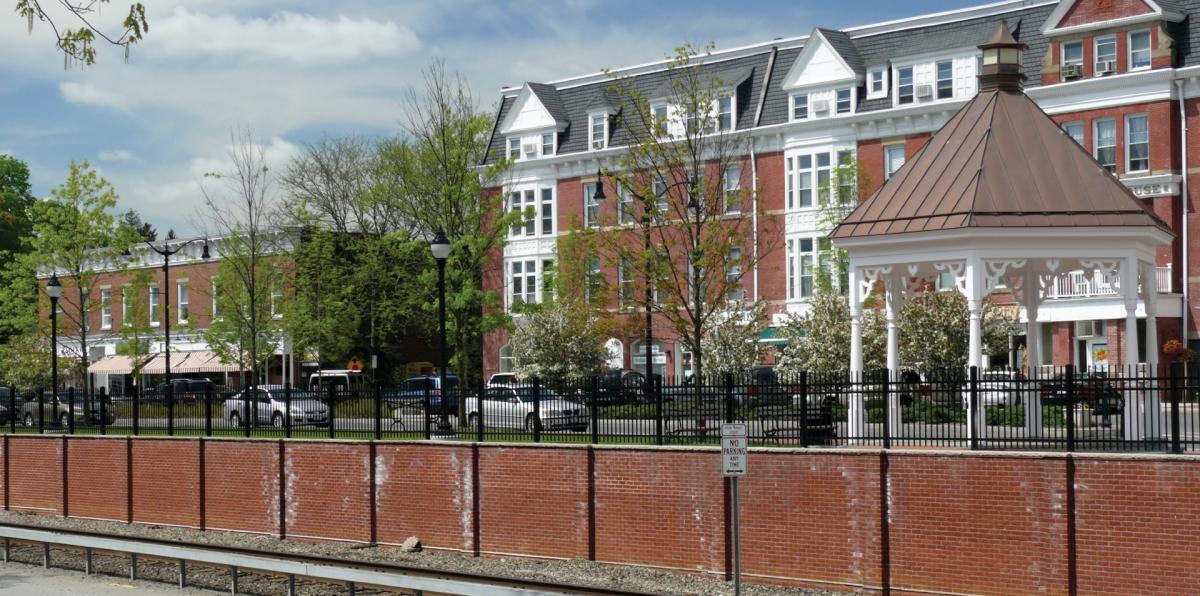
Nestled in the foothills of the Berkshires, Pawling is a rich part of our nation's historical and cultural heritage. Few communities can boast a harmony of civic, artistic and entrepreneurial spirit combined with a safe and beautiful environment. Pawling offers vast amenities that include a variety of neighborhood shops, fine dining and thousands of acres of pristine green spaces for recreational use. Pawling is a Town with dynamic historical roots and an exciting, clear vision towards the future.
Read More About Pawling ➽
Become a Member
The Pawling Chamber of Commerce is growing in terms of membership and the number of events designed to generate more business activity. Your participation in chamber activities is a great investment to insure the successful growth of your business.
Sign Up ➽
Become a Member

The Pawling Chamber of Commerce is growing in terms of membership and the number of events designed to generate more business activity. Your participation in Chamber activities is a great investment to insure the successful growth of your business.
Sign Up ➽
Advertise
If you would like to advertise, please send your request through our Contact page.